Origins
The Origins of Lore
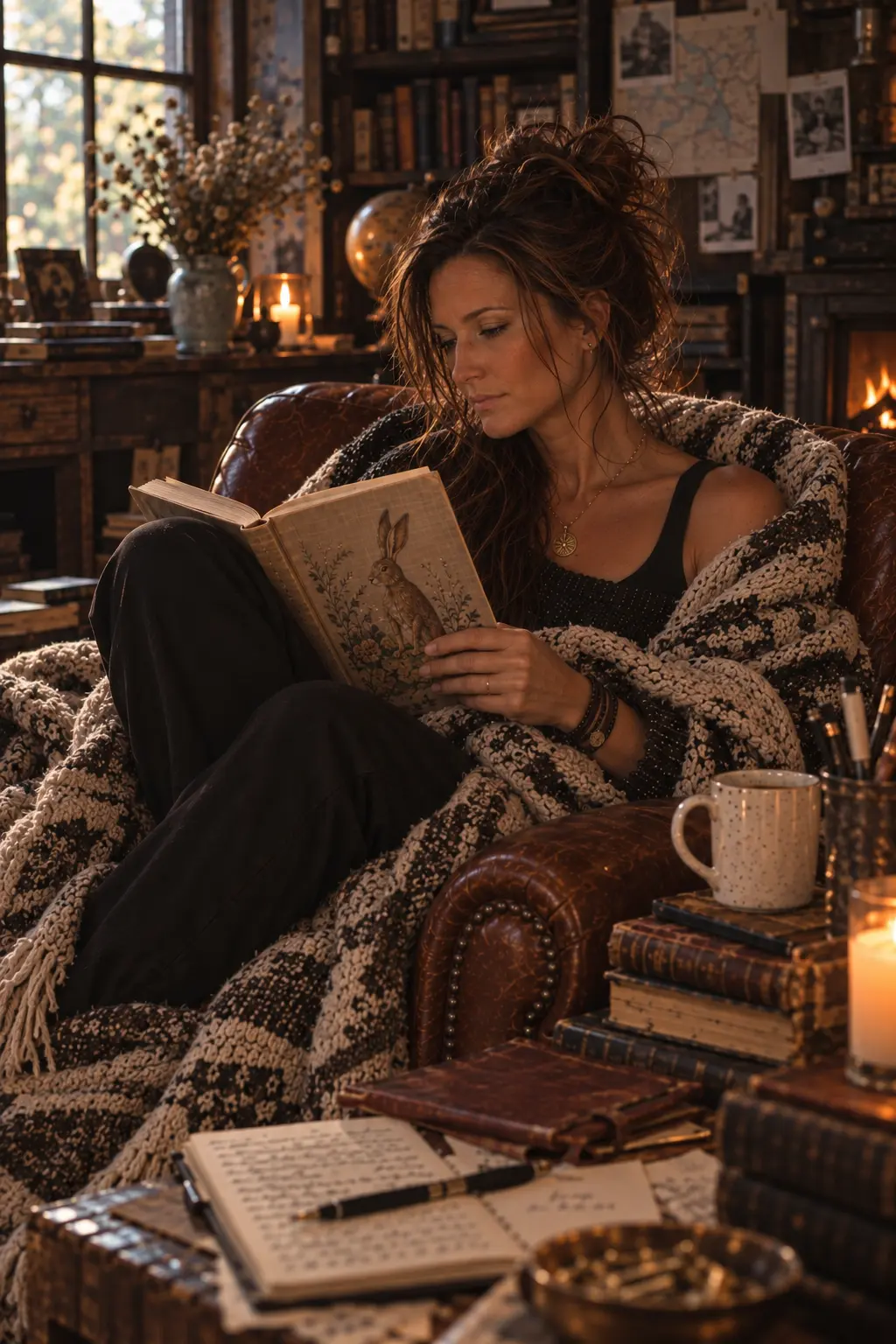
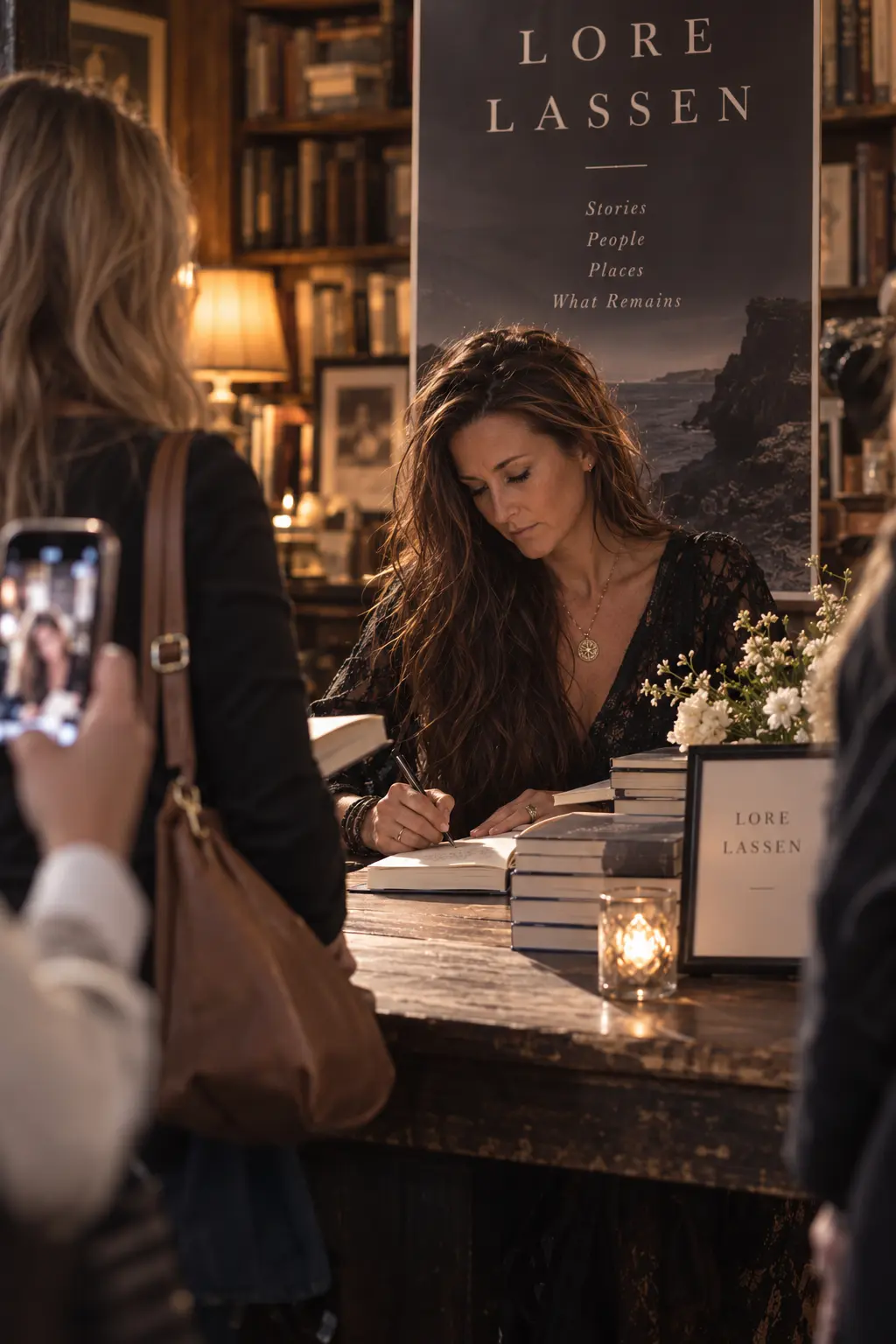
Lore Lassen is a novelist, traveler, collector of stories, and habitual keeper of notebooks.
She writes literary fiction and mysteries about memory, identity, place, disappearance, inheritance, and the complicated distance between what happened and what people believe happened.
Her research has taken her through libraries, museums, train stations, cemeteries, hotels, archives, old houses, unfamiliar towns, and occasionally somewhere she had absolutely no intention of going.
She is rarely without a notebook.
Lorelei Anastasia Lassen grew up between places.
Adopted in Germany by an American serviceman and his German wife, Lore was the only child of parents who were already well into adulthood when she arrived. Her father was forty-seven and her mother forty-five, and both had spent enough of their lives collecting books, music, stories, and opinions to ensure that Lore grew up surrounded by all four.
Her father's military career kept the family moving throughout Europe for the first thirteen years of her life. Germany remained the center of home, but assignments and proximity made borders unusually ordinary. Weekends and school holidays meant trains, long drives, unfamiliar cities, museums she was too young to appreciate properly, and photographs of places she would understand differently years later.
Her mother filled the spaces between them with stories.
German fairy tales were rarely confined to books in the Lassen household. Lore heard the stories her mother had been told, including versions that did not always agree with the versions Lore later found in print. Sometimes details changed. Sometimes endings did. Sometimes her mother insisted the book had gotten it wrong.
Long before Lore knew the word folklore, she understood that a story could have more than one life.
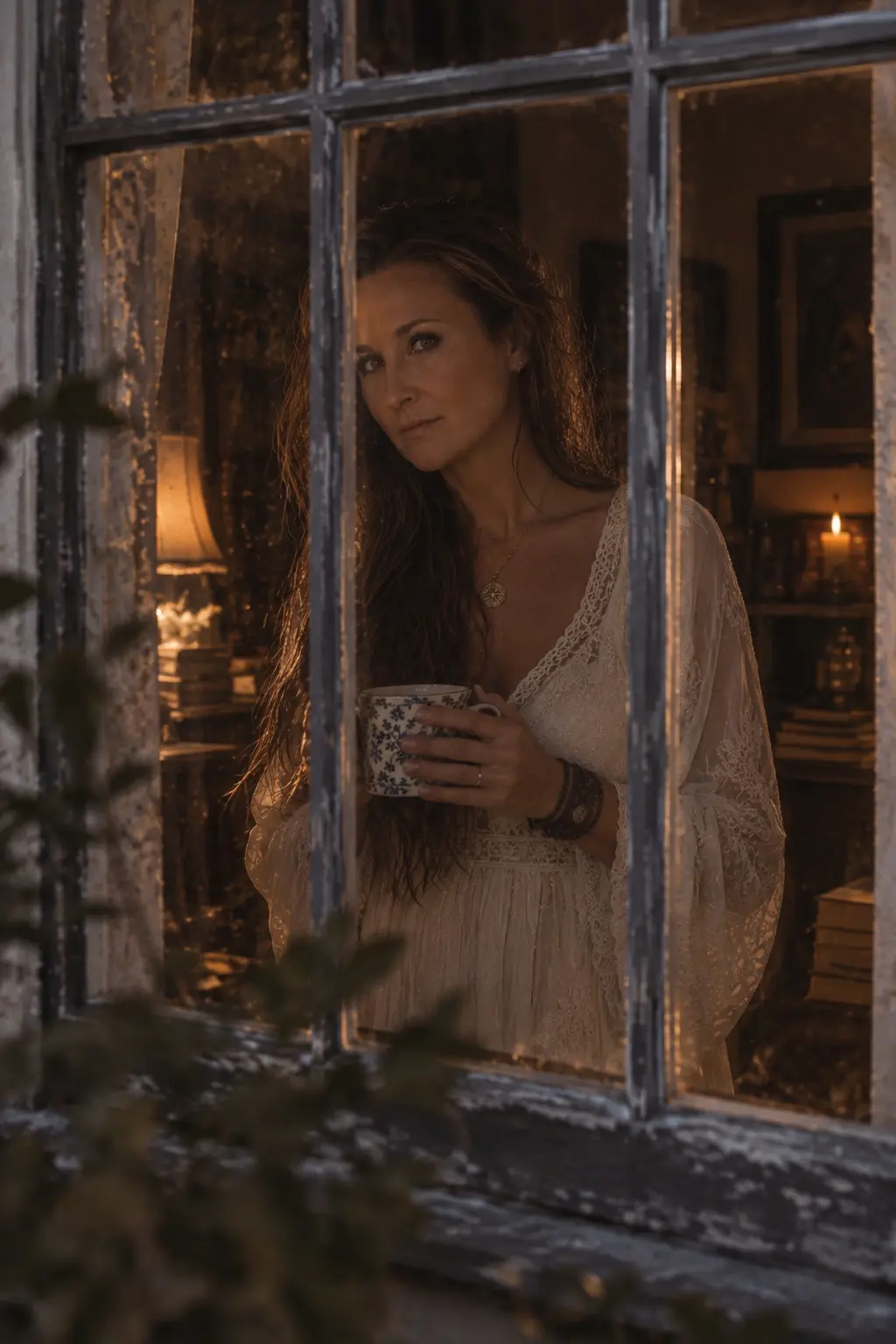
When Lore was thirteen, her father retired from the military and moved the family back to his hometown of Elsewhere, North Carolina.
For a girl accustomed to moving through Europe, Elsewhere was the first place that expected her to stay.
She did.
Mostly.
Lore began writing seriously as a teenager and published her first novel, A Woman of Some Renown, at twenty-one. She continued her education alongside her writing career, eventually earning a master's degree in folklore from the University of North Carolina at Chapel Hill. Her graduate work allowed her to study the things she had been circling since childhood: oral tradition, literary history, women's writing, authorship, memory, and what happens to a story as it passes from one person to another.
She spent as much time as she could in the university's libraries and special collections, studying manuscripts and archival material, while also teaching undergraduate women's literature as a graduate teaching assistant.
Her academic interests eventually became inseparable from her fiction.
A Woman of Some Renown was followed by Monster Revision, Order of Opposites, Permanent in Pencil, and Assumption. Order of Opposites became her breakout novel, a New York Times bestseller, and was later adapted into a major motion picture of the same name.
Lore remains an enthusiastic traveler, although adulthood has allowed her to travel for reasons considerably less practical than military orders. Research has taken her into libraries, hotels, museums, reading rooms, cities, villages, and occasionally places she visited simply because something about them interested her.
She is rarely without a camera.
Photography is one of the few interests Lore has maintained as long as writing. She photographs people, architecture, landscapes, windows, reflections, and ordinary moments that catch her attention. She has said that writing and photography satisfy opposite impulses: one allows her to change what she sees; the other asks her to notice it first.
Lore is also a lifelong violinist, having begun lessons as a child. She still plays, though never professionally, and has described the violin as one of the few places in her life where she is content to interpret someone else's work instead of creating her own.
Her working process is considerably less elegant.
Lore's desk, notebooks, photographs, research, maps, printed pages, hotel stationery, books, and files tend to accumulate into a system that looks chaotic to almost everyone except Lore. She insists she knows where everything is.
More irritatingly, she usually does.
She still returns to Elsewhere.
And wherever she goes, she tends to come home with photographs, notes, and the beginning of something she wasn't looking for.
Good stories travel further.